MARINE:

GEOGRAPHY:materials composes most of ocean sediments. Erosion, weathering and volcanic activity on land washes out to sea and creates the sand, mud, and rock particles that make up terrigenous deposits. Consequently, terrigenous deposits are confined to narrow marginal bands close to land like continental shelves and are deepest near the mouths of large rivers or desert coasts. Pelagic deposits derived from seawater are red clays and the skeletal remains of organisms that have died and sunk to the ocean floor. These include pelagic red clays and globigerina, pteropod and siliceous oozes. Most of the ocean floor is actually covered in these organic remains with a depth ranging anywhere from 60 to 3,300 m deep, but they are thickest in convergence belts and upwelling zones. Authigenic deposits are made up of particles like manganese nodules and include montmorillonite and phillipsite and can be found in places where the sedimentation process occurs very slowly or currents sort out the deposits.
Current Environmental Issues
An increase in solar ultraviolet radiation originating from the Antarctic ozone hole is reducing marine primary productivity, or phytoplankton, by as much as 15% and is actually damaging the DNA of some fish.
is reducing marine primary productivity, or phytoplankton, by as much as 15% and is actually damaging the DNA of some fish.
Unregulated (5-6 times more than the regulated fishery) and unreported illegal fishing of Patagonian toothfish has been occurring, an activity that will have a long-term affect on the sustainability of the remaining stock. This illegal fishing also increases the mortality of seabirds who get caught in the long-lines used for toothfish.
of Patagonian toothfish has been occurring, an activity that will have a long-term affect on the sustainability of the remaining stock. This illegal fishing also increases the mortality of seabirds who get caught in the long-lines used for toothfish. The now-protected seal population is making a strong comeback after its severe overexploitation in the 18th and 19th centuries.
HUMAN USES:
 Fisheries
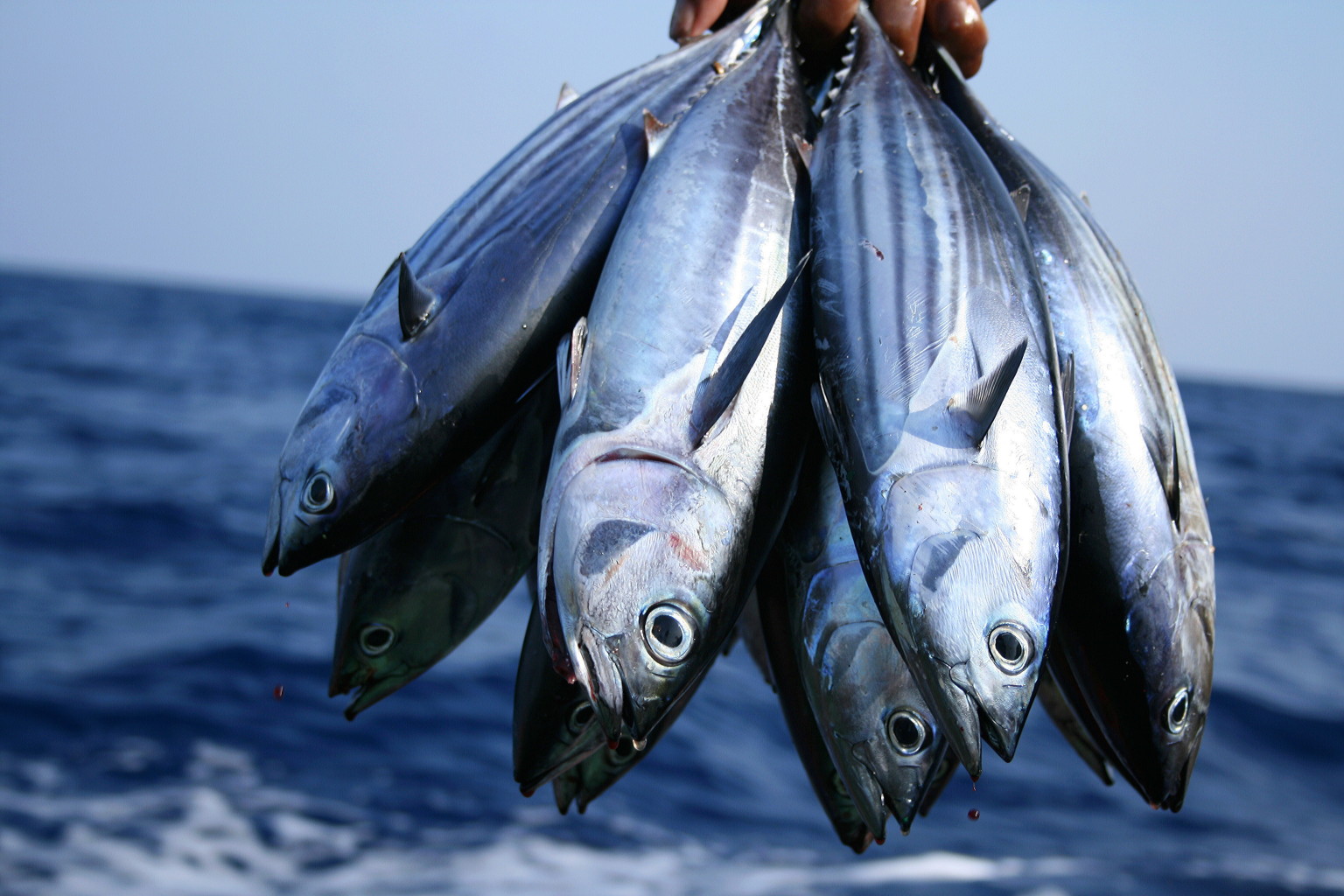
For food - fish, such as orange roughly, blue ling, grenadier and reddish, and shellfish (e.g., oysters, mussels, crabs and lobsters) are in high demand by communities all over the world.
Oil
Fuel, plastics, man-made fibers, chemicals (e.g., pain-killers), rubber, fertilizers...the list is endless!
Fuel, plastics, man-made fibers, chemicals (e.g., pain-killers), rubber, fertilizers...the list is endless!

Gas
Central heating, cooking, plastic and chemical production (e.g. antifreeze!), food-processing, some transportation.

Minerals
Many minerals can be mined from the deep sea, such as gold, nickel, cobalt, copper, manganese and zinc; and with limited reserves on land, deep-sea mining is an attractive, albeit very expensive prospect.

Sand and gravel
 Marine aggregates are used mainly in the construction industry for building, and for the manufacture of concrete. The UK alone uses 13 million tonnes of sand and gravel each year for construction!
Renewable energy

Marine renewable energy converts energy from tidal streams, waves and wind to electricity that we can use on land to fulfill our electricity demands. Offshore wind energy alone could generate up to one third of the UK's energy demands.
Human impacts on marine ecosystems:
Human activities affect marine ecosystems as a result of pollution, overfishing, the introduction of invasive species, and acidification.
- POLLUTION;

 SEWAGE AND OIL SPILL

Our oceans have long been used as an intentional dumping ground for all sorts of waste including sewage, industrial run-off and chemicals.The ocean does not have an infinite capacity to absorb our waste. However, marine pollution remains a major problem and threatens life in the sea at all levels.However some marine pollution may be accidental, for example, oil spills caused by tanker accidents. Some may be indirect, when pollutants from our communities flow out to sea via storm water drains and rivers. Some effects may not be immediately obvious.All marine pollution has the potential to seriously damage marine habitats and life in the sea. Marine pollution places extra stress on organisms that are already threatened or endangered.
- OVER FISHING:
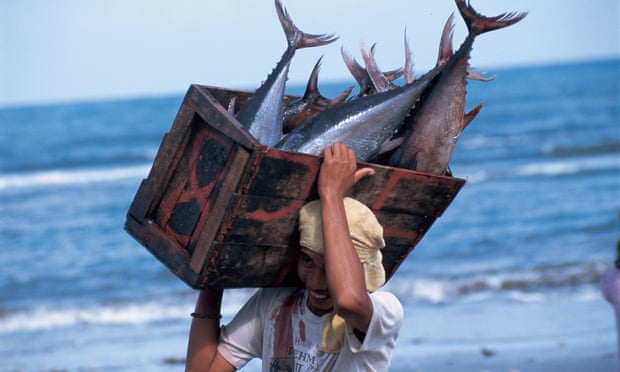
 Humans living near the coast have probably always used the ocean as a source of food. However, with advances in fishing equipment, larger ships and new tracking technologies, many fish stocks around the world have reduced significantly. Fish stocks on continental shelf areas are now widely considered to be fully or over exploited. Aside from reducing fish stocks, unsustainable fishing practices can have other negative impacts on the marine environment. For example, some fishing techniques such as dredging and trawling can cause widespread damage to marine habitats and organisms living on the sea floor. These techniques also often capture non-target species that are then discarded.
Humans living near the coast have probably always used the ocean as a source of food. However, with advances in fishing equipment, larger ships and new tracking technologies, many fish stocks around the world have reduced significantly. Fish stocks on continental shelf areas are now widely considered to be fully or over exploited. Aside from reducing fish stocks, unsustainable fishing practices can have other negative impacts on the marine environment. For example, some fishing techniques such as dredging and trawling can cause widespread damage to marine habitats and organisms living on the sea floor. These techniques also often capture non-target species that are then discarded.
INTRODUCTION OF SPECIES:
 "AN INVASIVE SPECIE"
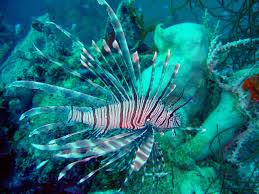
Introduced species in our terrestrial ecosystem have contributed to a significant loss of biodiversity. Introduced species also present a threat to our marine environment. It is not always easy to monitor or prevent the introduction of unwanted marine organisms, and visiting ships may introduce them accidentally on their hulls, in ballast water or on equipment.Not all introduced species will spread or even survive, but once established, they may be difficult or impossible to remove.
INTRODUCTION OF SPECIES:
- ACIDIFICATION:
 BEFORE AFTER
This impacts on the marine environment as the world’s oceans currently absorb as much as one-third of all CO2 emissions in our atmosphere. This absorption of CO2 causes the pH to decrease, resulting in the seawater becoming more acidic. Increase in carbon dioxide in the atmosphere will result in higher levels of dissolved CO2 in seawater. Even small changes in water pH can have big impacts on marine biology. Ocean acidification is a worldwide issue, but as CO2 .It is difficult to predict the overall impact on the marine ecosystem but many scientists fear that ocean acidification has the potential to decrease marine biodiversity on a very large scale.
MARINE SPECIES:


ENDANGERED MARINE SPECIES:
The truth is that the populations of many species are decreasing at an unsustainable rate, and the number of species listed as endangered from marine life families such as whales, dolphins, manatees and dugongs, salmon, seabirds, sea turtles,and sharks to name a few, are on the rise. The threats to marine species are difficult to perceive because marine animals are not as visible as animals on land. But unfortunately, marine creatures are equally, if not more, vulnerable to problems such as habitat destruction and over exploitation. Shallow water animals that breathe air, like turtles, manatees, du-gongs, and whales are often hit by boats and caught in fishing gear. Species such as turtles that lay their eggs on land often lose their nurseries due to coastal development. Animals that have taken millions of years to evolve, that are invaluable to all ecosystems, have and continue to vanish from places where they once flourished.Loss of habitats, the spread of disease, pollution, and unsustainable fishing practices are directly related to the actions of humans and recovery from these problems is rarely straightforward. Many marine species live in small, specific habitats while others require protection across their migration routes that cover vast areas and include breeding .
MANAGEMENT GOALS:
Control of the impact from fishing gear on habitats
Fishing gear that touches or scrapes the bottom during fishing operations is likely to produce negative impact on the biotic and abiotic habitat.A precautionary approach is recommended in the use of high-impact fishing methods in critical habitats. Use of towed gear with reduced bottom contact is a technical option in such areas. Prohibition of certain gear in some habitats is another, e.g. trawling in coral reef and sea grass areas. A third option is to replace a high-impact fishing method with one with less impact on the bottom, e.g. trapping, long lining or gill netting.

Energy efficiency and pollution
Many modern fishing vessels use fossil fuel for propulsion, for operating the fishing gear and for the preservation and processing of the catch. The impact of exhaust gas emission of dangerous substances, including CO2, has been fully recognized, and technological innovations that reduce such emissions are encouraged. Energy optimization can be achieved through improved efficiency of fishing gear as well as through improved management that lead to less fishing effort being required.

Controlling overall fishing mortality
The direct effects of fisheries on marine ecosystems are to increase fishing mortality rate among target and non-target species and to affect habitat. The fishery management methods that are used to control fishing mortality are often referred to as input and output controls. Input controls apply to capacity (which is closely related to the fishing mortality a fishing fleet could generate if the entire fleet were to fish full time) and effort (which is the actual amount of fishing activity). Output controls apply to the catch that results from the fishing effort. Well-known fisheries models are used to relate both catch and fishing effort to fishing mortality.
Capacity limitation seeks to restrict the total size of the fleet, thus reducing both fishing mortality and the pressures on decision-makers to allow higher fishing mortality. Capacity controls have the potential to reduce fishing mortality on entire species complexes in exactly the same manner as effort or spatial/temporal access limitations.
Effort limitation seeks to restrict the fishing activity of fleets and hence reduce fishing mortality. Because this operates at the fleet level, there will be a reduction in mortality among all species involved in the fishery, and this may be advantageous when dealing with multi-species fisheries. Although there is a considerable difference in the likely social and economic effects of different effort limitation regimes, the net effect of reducing the amount of fishing will produce benefits for the ecosystem, provided the continual improvement in efficiency (“effort creep”) does not cancel out the effect over time.
In current fisheries practices, the main limitations of any of these controls are that they do not directly constrain the fleet from targeting and depleting an individual stock. From an EAF viewpoint, these input controls have the virtue of restricting the overall pressure on the ecosystem, thus offering the potential of limiting negative impacts. However, there is also considerable danger that fishing mortality will steadily increase if increasing efficiency is not monitored and controlled. While increases in efficiency, if unchecked, will increase the fishing mortality in the target and by-catch species, some technological progress such as development of echo-sounders and satellite navigation may also enable fishermen to direct more of their effort towards the target species and thus diminish the impact on non-target species.

Catch controls:
Catch controls in the form of catch limitations are aimed at directly reducing fishing mortality on target species. If complemented with by-catch controls (such as quotas) they have the potential to protect associated species. They have proven successful in some cases, including in multi-species fisheries, but have sometimes also led to undesirable outcomes (high-grading, increased discarding, etc.). In terms of an EAF, however, in a mixed-species fishery, consideration needs to be given to the different vulnerabilities and productivity of the various species. It will be necessary to implement a set of consistent catch limits across the range of target and by-catch species to reflect these differences and addresse desired ecosystem related objectives (such as maintaining food webs). Catch limits for target species may need to be modified to control catches of more vulnerable species.

THINGS WE CAN DO TO SAVE MARINE LIFE:
MARINE SPECIES:

ENDANGERED MARINE SPECIES:
The truth is that the populations of many species are decreasing at an unsustainable rate, and the number of species listed as endangered from marine life families such as whales, dolphins, manatees and dugongs, salmon, seabirds, sea turtles,and sharks to name a few, are on the rise. The threats to marine species are difficult to perceive because marine animals are not as visible as animals on land. But unfortunately, marine creatures are equally, if not more, vulnerable to problems such as habitat destruction and over exploitation. Shallow water animals that breathe air, like turtles, manatees, du-gongs, and whales are often hit by boats and caught in fishing gear. Species such as turtles that lay their eggs on land often lose their nurseries due to coastal development. Animals that have taken millions of years to evolve, that are invaluable to all ecosystems, have and continue to vanish from places where they once flourished.Loss of habitats, the spread of disease, pollution, and unsustainable fishing practices are directly related to the actions of humans and recovery from these problems is rarely straightforward. Many marine species live in small, specific habitats while others require protection across their migration routes that cover vast areas and include breeding .
MANAGEMENT GOALS:
Control of the impact from fishing gear on habitats
Fishing gear that touches or scrapes the bottom during fishing operations is likely to produce negative impact on the biotic and abiotic habitat.A precautionary approach is recommended in the use of high-impact fishing methods in critical habitats. Use of towed gear with reduced bottom contact is a technical option in such areas. Prohibition of certain gear in some habitats is another, e.g. trawling in coral reef and sea grass areas. A third option is to replace a high-impact fishing method with one with less impact on the bottom, e.g. trapping, long lining or gill netting.
Energy efficiency and pollution
Many modern fishing vessels use fossil fuel for propulsion, for operating the fishing gear and for the preservation and processing of the catch. The impact of exhaust gas emission of dangerous substances, including CO2, has been fully recognized, and technological innovations that reduce such emissions are encouraged. Energy optimization can be achieved through improved efficiency of fishing gear as well as through improved management that lead to less fishing effort being required.
Controlling overall fishing mortality
The direct effects of fisheries on marine ecosystems are to increase fishing mortality rate among target and non-target species and to affect habitat. The fishery management methods that are used to control fishing mortality are often referred to as input and output controls. Input controls apply to capacity (which is closely related to the fishing mortality a fishing fleet could generate if the entire fleet were to fish full time) and effort (which is the actual amount of fishing activity). Output controls apply to the catch that results from the fishing effort. Well-known fisheries models are used to relate both catch and fishing effort to fishing mortality.
Capacity limitation seeks to restrict the total size of the fleet, thus reducing both fishing mortality and the pressures on decision-makers to allow higher fishing mortality. Capacity controls have the potential to reduce fishing mortality on entire species complexes in exactly the same manner as effort or spatial/temporal access limitations.
Effort limitation seeks to restrict the fishing activity of fleets and hence reduce fishing mortality. Because this operates at the fleet level, there will be a reduction in mortality among all species involved in the fishery, and this may be advantageous when dealing with multi-species fisheries. Although there is a considerable difference in the likely social and economic effects of different effort limitation regimes, the net effect of reducing the amount of fishing will produce benefits for the ecosystem, provided the continual improvement in efficiency (“effort creep”) does not cancel out the effect over time.
In current fisheries practices, the main limitations of any of these controls are that they do not directly constrain the fleet from targeting and depleting an individual stock. From an EAF viewpoint, these input controls have the virtue of restricting the overall pressure on the ecosystem, thus offering the potential of limiting negative impacts. However, there is also considerable danger that fishing mortality will steadily increase if increasing efficiency is not monitored and controlled. While increases in efficiency, if unchecked, will increase the fishing mortality in the target and by-catch species, some technological progress such as development of echo-sounders and satellite navigation may also enable fishermen to direct more of their effort towards the target species and thus diminish the impact on non-target species.
Catch controls:
Catch controls:
Catch controls in the form of catch limitations are aimed at directly reducing fishing mortality on target species. If complemented with by-catch controls (such as quotas) they have the potential to protect associated species. They have proven successful in some cases, including in multi-species fisheries, but have sometimes also led to undesirable outcomes (high-grading, increased discarding, etc.). In terms of an EAF, however, in a mixed-species fishery, consideration needs to be given to the different vulnerabilities and productivity of the various species. It will be necessary to implement a set of consistent catch limits across the range of target and by-catch species to reflect these differences and addresse desired ecosystem related objectives (such as maintaining food webs). Catch limits for target species may need to be modified to control catches of more vulnerable species.
THINGS WE CAN DO TO SAVE MARINE LIFE:
1. Mind Your Carbon Footprint and Reduce Energy Consumption
Reduce the effects of climate change on the ocean by leaving the car at home when you can and being conscious of your energy use at home and work. And can switch to compact fluorescent light bulbs, take the stairs, use a fan to avoid over setting your thermostat.


 When shopping or dining out, help reduce the demand for over exploited species by choosing seafood that is both healthful and sustainable.


3. Use Fewer Plastic Products
 Plastics that end up as ocean debris contribute to habitat destruction and entangle and kill tens of thousands of marine animals each year. To limit your impact, carry a reusable water bottle, store food in non disposable containers, bring your own cloth tote or other reusable bag when shopping, and recycle whenever possible.
4. Help Take Care of the Beach
Explore and appreciate the ocean without interfering with wildlife or removing rocks and coral. Go even further by encouraging others to respect the marine environment or by participating in local beach cleanups. 5. Don't Purchase Items That Exploit Marine Life
Avoid purchasing items such as coral jewelry, tortoiseshell hair accessories (made from hawksbill turtles), and shark products.
5. Don't Purchase Items That Exploit Marine Life
Avoid purchasing items such as coral jewelry, tortoiseshell hair accessories (made from hawksbill turtles), and shark products.


6. Be an Ocean-Friendly Pet Owner
Read pet food labels and consider seafood sustainability when choosing a diet for your pet. Never flush cat litter, which can contain pathogens harmful to marine life. Avoid stocking your aquarium with wild-caught saltwater fish, and never release any aquarium fish into the ocean or other bodies of water.

 7. Support Organizations Working to Protect the Ocean
Many institutes and organizations are fighting to protect ocean habitats and marine wildlife. Find a national organization and consider giving financial support or volunteering for hands-on work or advocacy.
7. Support Organizations Working to Protect the Ocean
Many institutes and organizations are fighting to protect ocean habitats and marine wildlife. Find a national organization and consider giving financial support or volunteering for hands-on work or advocacy.

 8. Influence Change in Your Community
 Research the ocean policies of public officials before you vote or contact your local representatives to let them know you support marine conservation projects. Consider patronizing restaurants and grocery stores that offer only sustainable seafood, and speak up about your concerns if you spot a threatened species on the menu or at the seafood counter.
9. Travel the Ocean Responsibly
Practice responsible boating, kayaking, and other recreational activities on the water. Never throw anything overboard, and be aware of marine life in the waters around you. If you’re set on taking a cruise for your next vacation, do some research to find the most Eco-friendly option.


10. Educate Yourself About Oceans and Marine Life
All life on Earth is connected to the ocean and its inhabitants. The more you learn about the issues facing this vital system, the more you’ll want to help ensure its health—then share that knowledge to educate and inspire others.


1. Mind Your Carbon Footprint and Reduce Energy Consumption
Reduce the effects of climate change on the ocean by leaving the car at home when you can and being conscious of your energy use at home and work. And can switch to compact fluorescent light bulbs, take the stairs, use a fan to avoid over setting your thermostat.


When shopping or dining out, help reduce the demand for over exploited species by choosing seafood that is both healthful and sustainable.
3. Use Fewer Plastic Products
 Plastics that end up as ocean debris contribute to habitat destruction and entangle and kill tens of thousands of marine animals each year. To limit your impact, carry a reusable water bottle, store food in non disposable containers, bring your own cloth tote or other reusable bag when shopping, and recycle whenever possible.
4. Help Take Care of the Beach
Explore and appreciate the ocean without interfering with wildlife or removing rocks and coral. Go even further by encouraging others to respect the marine environment or by participating in local beach cleanups.
5. Don't Purchase Items That Exploit Marine Life
Avoid purchasing items such as coral jewelry, tortoiseshell hair accessories (made from hawksbill turtles), and shark products.
6. Be an Ocean-Friendly Pet Owner
Read pet food labels and consider seafood sustainability when choosing a diet for your pet. Never flush cat litter, which can contain pathogens harmful to marine life. Avoid stocking your aquarium with wild-caught saltwater fish, and never release any aquarium fish into the ocean or other bodies of water.
7. Support Organizations Working to Protect the Ocean
Many institutes and organizations are fighting to protect ocean habitats and marine wildlife. Find a national organization and consider giving financial support or volunteering for hands-on work or advocacy.
8. Influence Change in Your Community
 Research the ocean policies of public officials before you vote or contact your local representatives to let them know you support marine conservation projects. Consider patronizing restaurants and grocery stores that offer only sustainable seafood, and speak up about your concerns if you spot a threatened species on the menu or at the seafood counter.
9. Travel the Ocean Responsibly
Practice responsible boating, kayaking, and other recreational activities on the water. Never throw anything overboard, and be aware of marine life in the waters around you. If you’re set on taking a cruise for your next vacation, do some research to find the most Eco-friendly option.
10. Educate Yourself About Oceans and Marine Life
All life on Earth is connected to the ocean and its inhabitants. The more you learn about the issues facing this vital system, the more you’ll want to help ensure its health—then share that knowledge to educate and inspire others.

